


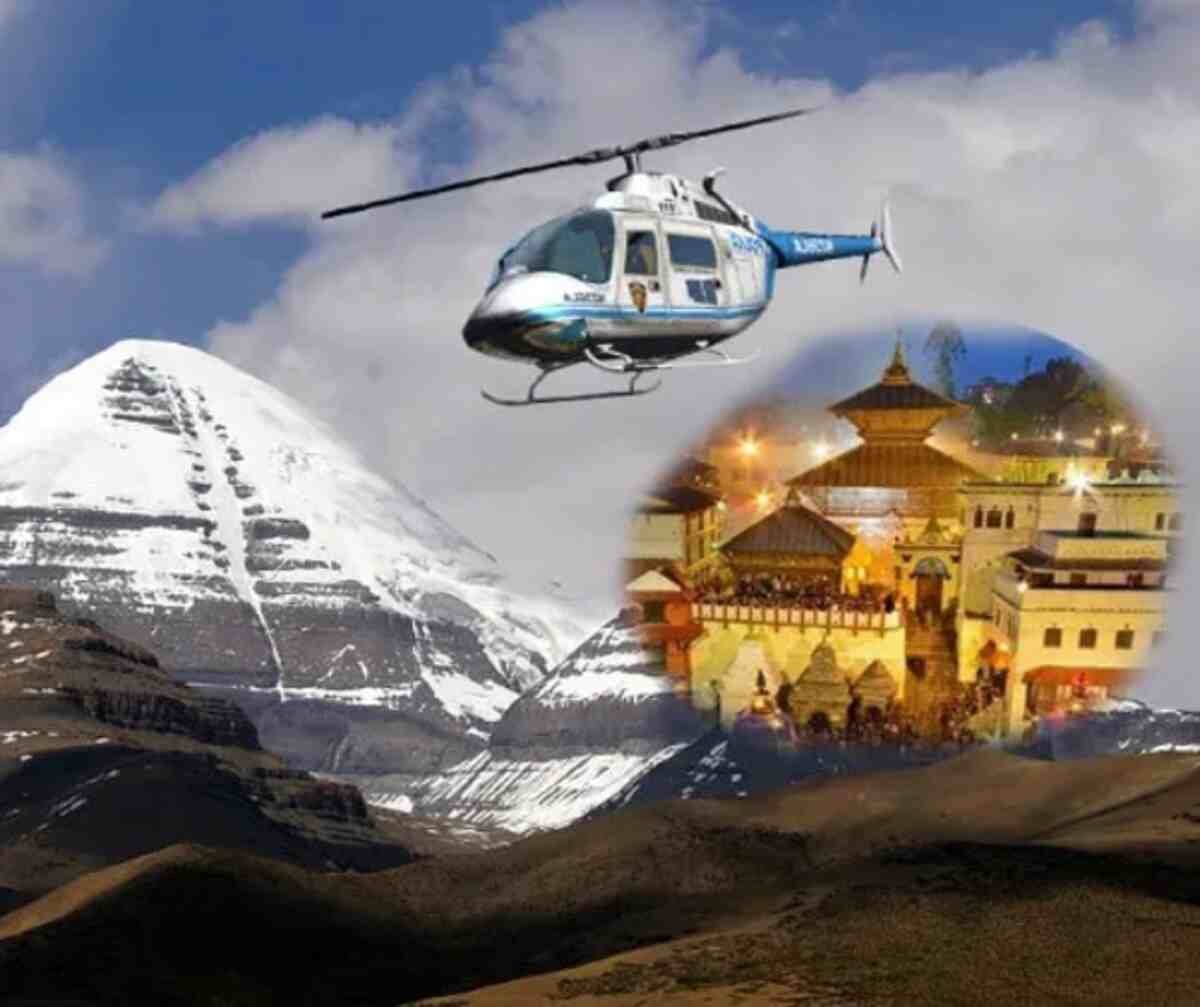
Kailash Mansarovar and Char Dham sit among the toughest pilgrimages in Hindu tradition, and for good reason. For centuries, reaching either place meant days on foot across steep, unforgiving Himalayan terrain. That’s no longer the only option. Helicopter yatras have opened up both journeys to thousands of pilgrims every year, cutting weeks of travel down to a handful of days.
Many travellers now start their planning by looking up Kailash Mansarovar yatra packages and Char Dham yatra by helicopter options first. You still get the darshan, the rituals, and the sense of arrival at a sacred place. What changes is that you get a convenient visit to the sacred abode of Mahadev.
Why Are Pilgrims Choosing Helicopter Yatras Today?
It isn’t just about saving time, though that’s part of it. Trekking for several days at high altitude used to be the only route into these regions, and it wasn’t kind to everyone. Older pilgrims, in particular, often skipped these journeys altogether simply because their bodies couldn’t take the strain. A helicopter changes that math.
Flights avoid the landslide-prone roads and narrow mountain passes that make the road trip risky in the first place. There’s something genuinely moving about seeing the Himalayas from above rather than trudging past them. That’s likely why so many people now compare Kailash Mansarovar yatra packages by foot and by helicopter. People are even embracing Char Dham yatra by helicopter to get a safe and peaceful pilgrimage. Add in VIP darshan access at most temples, and the appeal for busy professionals and older travellers becomes pretty obvious.
Kailash Mansarovar Yatra by Helicopter: Faith Above the Clouds
Mount Kailash and Lake Mansarovar have pulled pilgrims from across India for generations, long before anyone thought to fly there. Here’s a look at the route, what makes the trip worth it, and who should actually consider Kailash Mansarovar yatra packages by helicopter.
The Sacred Route to Mount Kailash
For Hindus, Buddhists, Jains, and Bon followers, this remote stretch of Tibet carries real weight. The traditional route runs through several days of high-altitude trekking, and it’s brutal even for fit travellers. A helicopter route trims that down to a matter of days, not weeks.
Highlights of the Journey
The flight itself is part of the experience, gliding over snow-covered peaks and valleys most people never see up close. Along the way, pilgrims usually stop at sites like Gauri Kund and the Saptarishi Caves. Then there’s Lake Mansarovar itself, where a holy dip or a quiet prayer often becomes the moment people remember most.
Who Should Choose This Yatra?
This route works well for elderly devotees, first-timers, and anyone who’d rather have support handled for them. Thomas Cook builds its itineraries around exactly that kind of comfort, without losing the spiritual weight of the trip.
Acclimatisation, accommodation, and local support are all worked into the plan, so pilgrims aren’t left figuring things out on their own. If a shorter, easier path to Kailash sounds like what you need, it’s worth exploring Kailash Mansarovar yatra packages built with exactly this in mind.
Char Dham Yatra by Helicopter: The Four Abodes in a Few Days
Every season, lakhs of devotees head to Uttarakhand for the Char Dham Yatra, and the numbers keep growing. Below is what the route covers, how the packages differ, and when to fly for the best Char Dham Yatra by helicopter experience.
Covering All Four Sacred Shrines
Yamunotri, Gangotri, Kedarnath, and Badrinath make up the four dhams, all tucked deep into Uttarakhand’s mountains. By road, the full circuit can eat up ten to twelve days on narrow, winding routes. By air, that same journey often wraps up in four to six days.
Do Dham or the Full Circuit
Not everyone wants or needs all four shrines in one trip. Some travellers opt for Do Dham instead, covering just Kedarnath and Badrinath, which suits families and senior citizens working with less time. A fair number of people researching Char Dham yatra by helicopter end up choosing based on how much time and budget they actually have.
Best Time to Fly
April through June, and then September into October, tend to offer the best flying conditions. If the four-shrine circuit is calling you, it’s a good time to look into Char Dham yatra by helicopter options.
Planning a Smooth and Meaningful Pilgrimage
Booking a flight and a hotel is the easy part. What actually makes or breaks a helicopter yatra is everything in between: weather delays, altitude concerns, limited seat availability, and the kind of last-minute changes that remote regions are famous for.
This is where having someone handle permits, transfers, and accommodation actually matters, so pilgrims can stay focused on why they came in the first place. Thomas Cook has been organising these journeys through difficult Himalayan terrain for years now, managing the small details that travellers rarely think about until something goes wrong.
From advance bookings to on-ground support during the yatra itself, that groundwork tends to be the difference between a stressful trip and a meaningful one. Plenty of devotees planning Kailash Mansarovar yatra packages and the Char Dham route say the same thing: having that support in place is worth it.
Conclusion
Kailash Mansarovar and Char Dham each ask for devotion, but neither has to demand punishing physical effort anymore. A helicopter yatra lets pilgrims spend their energy on prayer instead of exhaustion, without losing what made the journey sacred to begin with. Thomas Cook helps devotees plan these trips with the care and respect the tradition deserves.


